Category Archives: Sober living

The Stages of Change Model of Overcoming Addiction

cycle of addiction

The desire to remove the negative feelings accompanying withdrawal primes the individual to further intoxication/binge via negative reinforcement. A vicious cycle ensues; taking the substance to lessen withdrawal will lead to worse withdrawal symptoms in the next period of abstinence. The mesolimbic pathway involves cross-talk between the ventromedial striatum and the nucleus accumbens (NAcc). The mesolimibc pathway is responsible for the binge stage’s reward and positive reinforcement via the direct release of dopamine and opioid peptides. A result of increased substance use to avoid withdrawal symptoms is a shift from impulsive to compulsive behavior. Compulsive behavior marks the loss of executive control over substance use and is a hallmark of addiction.

The Addiction Cycle: What Are The Stages of Addiction?

  • As if that wasn’t complicated enough, there is even more variation in who is vulnerable to addiction and why.
  • Gender, ethnicity, and mental disorders may also influence the risk for drug addiction.
  • This is called withdrawal, which often leads the person to use the substance again to relieve the withdrawal symptoms.
  • The reinforcing impact of substances diminishes with repeated use over time; this is the phenomenon of tolerance.[10] Tolerance typically results in increased or more frequent substance use in chase of the original effect.
  • Specifically, prefrontal regions involved in executive functions and their connections to other brain regions are not fully developed in adolescents, which may make it harder for them to regulate the motivation to drink.
  • It is the result of drug abuse and one of the symptoms of full-blown addiction.

From here, they may move forward to the next phase—the preparation stage—or they may move back to the precontemplation stage. The first recovery step is recognising the addiction and its impact on one’s life. That moment of self-insight and self-awareness seems to be necessary for the person to seek help.

What Are the Physiological Effects That Addiction Causes?
cycle of addiction

While these substances are very different from each other, they all strongly activate the reward center of your brain and produce feelings of pleasure. Use of these substances can lead to substance use disorders (SUDs) — but not always. Understanding the stages of cycle of addiction relapse—emotional, mental, and physical—and intervening early in the process enhances the chances of successful recovery. Cognitive-behavioral therapy (CBT) is highlighted as an effective tool for modifying negative thought patterns that may lead to substance use.

Other Treatment Options for Addiction
cycle of addiction

With repeated heavy drinking, however, tolerance develops and the ability of alcohol to produce pleasure and relieve discomfort decreases. The positively reinforcing effects of substances tend to diminish with repeated use. This is called tolerance and may lead to use of the substance in greater amounts and/or more frequently in an attempt to experience the initial level of reinforcement. Eventually, in the absence of the substance, a person may experience negative emotions such as stress, anxiety, or depression, or feel physically ill.

“Very Demure, Very Mindful” TikTok Trend Could Be Your Key to Better Sleep

cycle of addiction

Regardless of which one might influence the development of the other, mental and substance use disorders have overlapping symptoms, making diagnosis and treatment planning particularly difficult. For example, people who use methamphetamine for a long time may experience paranoia, hallucinations, and delusions that may be mistaken for symptoms of schizophrenia. And, the psychological symptoms that accompany withdrawal, such as depression https://ecosoberhouse.com/ and anxiety, may be mistaken as simply part of withdrawal instead of an underlying mood disorder that requires independent treatment in its own right. Given the prevalence of co-occurring substance use and mental disorders, it is critical to continue to advance research on the genetic, neurobiological, and environmental factors that contribute to co-occurring disorders and to develop interventions to prevent and treat them.

Stage 6: Relapse

  • At this point, the person may also start to develop a tolerance, where they need more of the substance to feel the same effects.
  • The addiction cycle is often described as a three-stage process, each stage feeding into the next, creating a self-perpetuating loop that can feel impossible to escape.
  • Understanding drug and alcohol experimentation motivations is crucial for addressing the root causes of drug use and effectively supporting individuals at risk of developing substance abuse disorders.
  • Any addiction develops as a result of a complex interaction of genetic, psychological, social, and environmental factors.
  • The first recovery step is recognising the addiction and its impact on one’s life.

Additionally, determining how neurobiological factors contribute to differences in substance misuse and addiction between women and men and among racial and ethnic groups is critical. After the onset of dependence, where higher doses of a substance are required to achieve the same effects, individuals often enter the stage of full-blown addiction. Addiction is characterized by compulsive drug seeking and use, despite the harmful consequences and potential risks to physical and mental health.

cycle of addiction

However, people often use these substances in combination.41 Additional research is needed to understand how using more than one substance affects the brain and the development and progression of addiction, as well as how use of one substance affects the use of others. The neurotransmitters serotonin and dopamine send messages to the brain and the rest of the body. The altered brain chemistry essentially requires constant, repetitive exposure to the substance or action to function psychologically and physiologically. This chemical dependence leads to tolerance and withdrawal symptoms, two of the hallmarks of substance abuse addiction that most often require a professionally monitored alcohol and drug detox. The preoccupation/anticipation stage has long been hypothesised to be a key element of relapse in humans, and defines addiction as a chronic relapsing disorder. Drugs of abuse have a profound effect on the response to previously neutral stimuli to which the drugs become paired.

cycle of addiction

Each case will differ, making personalized approaches to recovery and relapse prevention crucial. The difference between a slip-up and a full-blown relapse is that with a slip-up, the individual has not yet developed a tolerance or physical dependence to the drug and can quickly take active steps to discontinue drug use. Slip-ups are usually brief and have limited consequences, making it easier to retrace your steps. These signs may not be present in everyone who’s beginning to relapse, but they are familiar cues to look out for. It is essential to be self-aware and vigilant while recovering from active drug addiction.
Panic attacks and panic disorder Symptoms and causes

does alcohol cause panic attacks

For example, if a grizzly bear came after you, your body would react instinctively. Your heart rate and breathing would speed up as your body prepared for a life-threatening situation. But it’s unknown why a panic attack occurs when there’s no obvious danger present. A panic attack is a sudden episode of intense fear that triggers severe physical reactions when there is no real danger or apparent cause. When panic attacks occur, you might think you’re losing control, having a heart attack or even dying.

Can Drinking Alcohol Cause Anxiety? Understanding Alcohol and Anxiety Attacks

Your body, however, is always looking to establish equilibrium, or balance. A heavy influx of alcohol can lead to your body blocking its own GABA receptors in an attempt to re-establish this equilibrium. With fewer GABA receptors available, your body can naturally absorb less GABA, which inhibits your ability to naturally calm down and can lead to panic attacks.

Sleep disturbances

does alcohol cause panic attacks

Talkspace can give you access to expert help in a convenient, safe, and accessible setting. The first step toward getting help can be transformative — it can set the stage for your path to a healthier, anxiety-free life. The effects on the central nervous system can slow down the brain, alcohol and panic attacks temporarily reducing anxiety.

  • Society would have us believe that there’s no better way to unwind after a long day than by drinking a glass of wine, cold beer, or sipping your go-to liquor.
  • These effects can make it seem like drinking alcohol is providing the person with relief from their anxiety.
  • Some may experience an onset of anxiety attacks shortly after consuming alcohol, while others may notice a sudden escalation of existing anxiety symptoms.
  • Symptoms of alcohol withdrawal can include restlessness, irritability, and anxiety — all of which are just the body trying to adjust to no longer having alcohol’s sedative effect in its system.
  • If you rely on alcohol to mask anxiety, you may find you become reliant on it to relax – putting you at risk of alcohol dependence.

Health topics

does alcohol cause panic attacks

There are several reasons for this, which will be discussed below; but the key thing to remember is that those with panic attacks suffer from an issue known as hypersensitivity. While alcohol can make your panic attacks worse, alcohol itself doesn’t cause panic attacks on its own. In other words, even if you https://ecosoberhouse.com/article/women-and-alcoholism-how-to-recognize-an-addiction/ stop drinking alcohol, you are likely still going to have panic attacks – you simply won’t have alcohol triggering them.

  • But if you have feelings of anxiety that are constant, overwhelming, or affect your daily life, there are things you can do, and support that is available to help you manage.
  • Cynthia has over 15 years of experience in the mental health profession.
  • People can speak with a healthcare professional for help managing anxiety or mood disorder symptoms.
  • At first, drinking can reduce fears and take your mind off of your troubles.
  • However, people with anxiety disorders frequently have intense, excessive and persistent worry and fear about everyday situations.

If a person drinks regularly, the natural GABA and serotonin levels can get destabilised, making withdrawal symptoms and anxiety attacks worse. Some medications can be an effective option for treating anxiety from drinking or anxiety that causes you to drink. Always use anxiety medication exactly as prescribed and under the supervision of your healthcare provider — especially if you’re dealing with alcohol abuse. Professional mental health treatment through counseling or therapy for anxiety can provide personalized, dedicated attention and strategies to help you manage anxiety.

does alcohol cause panic attacks

Can Alcoholics Eat Food Cooked With Wine?

can alcoholics eat food cooked with wine

To feel your best after quitting drinking, you’ll want to completely eliminate foods made with sugar or flour. Along with supplementation, designing your ideal diet is a major pillar of physical recovery from alcohol addiction. In fact, depending on the type of alcohol you use, retention rates could be even worse. Plus, the research shows average alcohol content per serving of popular dishes, after cooking.

can alcoholics eat food cooked with wine

The quality of the drink is what makes regular wine different from cooking wine. Fine wine is more flavorful, while cooking wine is a go-to wine that will add the flavor you need, but will not be enjoyable to drink. Cooking will always result in some, but not total loss of alcohol. The most effective way of reducing the amount of alcohol is by evaporation during cooking. Despite common misconception, flaming results in much smaller amounts of alcohol burn-off.

If you’re a chef who loves to use alcohol in their recipes, there are a few rules to live by, especially if you’re cooking for someone who is or may have been a recovering alcoholic. If they were never a wine drinker, the taste of wine in a dish shouldn’t trigger How long does a hangover last Plus how to cure a hangover fast a want to drink. However, if they were a bourbon drinker, cooking with bourbon or similar tasting alcohol could trigger a craving. That may surprise anyone who thought alcohol completely cooks off. And, while some people say alcohol completely disappears from food after 3 hours of cooking time, there’s no proof that’s true. So, in any case where you add alcohol to food, there’s a good chance there’s still alcohol in the food after cooking.

Some insist that alcohol in food or cooking is nothing to worry about, often citing a commonly held belief that alcohol gets cooked out of foods during the preparation process. They claim that alcohol is literally boiled off during heating or cooking and its alcoholic potency is destroyed or eliminated. Then you have alcohol hanging around, just waiting to be consumed. Bringing them into your life, even if they’re part of a recipe, puts your temptations in your face. But when you’re in recovery and a recipe calls for you to cook with alcohol, you want to be careful.

How should I store and serve large-format wine bottles?

  1. So cooking with alcohol can be bad for your sobriety by exposing you to the taste and smell of alcohol.
  2. Remaining cognizant of these foods and your recipe choices is important.
  3. If you find yourself battling an AUD, please don’t hesitate to ask for help.
  4. However, it’s important to note that not all of the alcohol actually evaporates.

If you’re a recovering or recovered alcoholic, cooking with alcohol will be a judgement call. You’ll have to decide whether you can handle it or if it’s something best left out of the mix. Using alcohol to cook doesn’t equal a relapse, but it could perpetuate a return to alcohol by way of cravings and taste triggers.

Alcohol is a central nervous system depressant, meaning that it has a calming effect on the body, but it can also have serious effects on health if abused. Traditional recipes for tiramisu contain only one alcohol, Marsala wine. Tiramisu is not cooked, which means that all the alcohol used in its making is still potent. There are several ways to reduce alcohol’s effects on your body, but one of the best way to full body detox is to reduce your alcohol intake by 9%. Make sure to focus on sleep and water, which are both great ways to prevent and reduce alcohol’s effects.

What are the Effects of Alcohol Consumption?

Additionally, there are some non-alcoholic wines that are specifically designed for cooking. These wines may have a slightly different flavor than regular wines, but they can still be used to add flavor to dishes. With a love for all types of cuisine, from classic comfort food to exotic international dishes, I’m always looking to expand my culinary horizons.

However, if a person is trying to avoid alcohol altogether, it is best to check with the chef beforehand. Fortunately, there are alternative ingredients that can be used to achieve similar flavor profiles in cooking. For example, non-alcoholic wine or wine vinegar can be substituted to provide acidity and depth of taste without the alcohol content. This allows individuals in recovery to enjoy delicious meals without compromising their sobriety. Consuming alcohol inadvertently in food can potentially trigger cravings for alcohol and lead to relapse for individuals in recovery from alcohol addiction.

Turn Your Addiction Into Long Term, Life-changing Sobriety With Clear Life Recovery

Vinegar can be used in place of wine in a variety of recipes, as it provides a similar tartness and acidity. Non-alcoholic beer and fruit juices can also be used in certain dishes. For those who prefer to avoid alcohol altogether, there are several alternatives to wine that can be used in cooking. These alternatives include grape juice, white grape juice concentrate, and broth. While these alternatives may not impart the same flavor as wine, they can still be used to add flavor and moisture to dishes.

Most importantly if you can’t stop looking for ways to have alcohol, you probably need treatment and counseling – even if you’ve had it in the past. Part of recovery is being able to recognize when you need help and ask for it and then make that a recurring process as you move on with your life. Rachael grew up in the northern Thai city of Chiang Mai until she was seven when her parents moved to the US. There are hundreds of recipes that do not require any alcohol at all, and if you’ve been accustomed to cooking with it in the past, you can break free from this too!

In this article, I will discuss my three biggest tips for eating during alcohol recovery. We’re here 24/7 to help you get the care you need to live the life you want. Talk to our recovery specialists today and start treatment immediately. What about eating out at restaurants where food may be prepared with alcohol?

Dry Drunk Syndrome: Sober But Miserable

feel drunk when sober

It can take anywhere from 15–45 minutes for a person to feel the full effects of an alcoholic drink. Frequent drinking can lead to long-term psychological effects such as depression, anxiety, and increased risk of developing alcohol dependence. Individual differences such as genetics, mental health, and tolerance levels can significantly influence how alcohol affects a person.

feel drunk when sober

Sensory Processing Issues

feel drunk when sober

Less than 100 cases were reported worldwide in a 2021 report. Don’t worry too much, and if you suspect having this syndrome open up to your family about it and get the diagnosis and treatment as soon as possible. He had a fatty liver which was the cause of triggering his auto brewery syndrome. A 60-year-old man reported in a car accident faced a similar case of being drunk even though he wasn’t and was diagnosed with auto brewery syndrome. Doctors can also treat this syndrome with antifungals and, in some cases, antibiotics. Antifungals can help reduce the amount of fungus in https://ecosoberhouse.com/ the gut, and these will also be useful in treating fungal infections that cause gastrointestinal symptoms.

How To Tell if You’re Still Drunk the Next Morning

Whether or not you’ve eaten affects how quickly alcohol enters your bloodstream. You’ve knocked back a few drinks and things start looking a little fuzzy. We strive to make admission to Summit Malibu as simple and straightforward as possible. The rehab admission process can begin with a simple phone call to Summit Malibu, where our addiction treatment specialists are always available for confidential consultation. For those with some time in recovery, it may be easier to spot the symptoms, especially if they have supportive people around them. Individuals who notice symptoms of alcohol PAWS should contact their doctor or rehab center immediately.

feel drunk when sober

Negative Judgment

They may use an upper and lower endoscopy to test secretions and identify the specific microbe implicated in the syndrome. Your life can be seriously impacted if you’re suffering from this condition. Although your blood alcohol level shouldn’t rise to extreme levels, there have been cases where it did for some people. It all depends on your underlying medical condition, which triggers this syndrome. Long-term excessive drinking can lead to chronic health problems such as liver disease, cardiovascular issues, and mental health disorders. Regular heavy drinking can also contribute to the development of alcohol dependence and addiction.

Since this syndrome is rare, there’s not much research done on it yet, so no specific test exists feeling drunk when sober to diagnose if someone is suffering from it immediately. Symptoms are not enough to diagnose this syndrome, and extensive research is still needed. There are several refreshing drinks you can try instead of alcohol. For example, soda and lime, kombucha, and mocktails are a few of the best. If you didn’t drink but were in the vicinity of alcohol spray, you might get drunk. You can even get drunk off of hand sanitizer, which is hilarious to think.

  • If a person chooses to consume alcohol, they should do so safely and take whatever steps are necessary to avoid putting themselves and others in harm’s way.
  • Some potential causes include lack of sleep, hunger, dehydration, blood sugar imbalances, anxiety, depression, sensory processing disorders, or even an underlying health condition.
  • These drugs work to get rid of fungus infections that may be causing the problem in your gut.
  • Depending on the timing of alcohol and consumption, alcohol levels can continue to rise during sleep and lead to alcohol poisoning.
  • Additionally, alcohol consumption can affect a person’s reaction time.

feel drunk when sober

Addiction Resource does not offer medical diagnosis, treatment, or advice. Only trained and licensed medical professionals can provide such services. If you or anyone you know is undergoing a severe health crisis, call a doctor or 911 immediately. Addiction Resource team has compiled an extensive list of the top drug rehabilitation facilities around the country. Click on the state Alcoholics Anonymous you are interested in, and you’ll get a list of the best centers in the area, along with their levels of care, working hours, and contact information.

Understanding Feeling Drunk

  • This means that alcohol dilutes the senses, so while you may be less nervous, you’ll also feel less sensation.
  • It’s likely that you’ll experience some withdrawal symptoms, especially if you’ve developed a dependency on alcohol.
  • But many of those studies were based on after-the-fact reporting by subjects or people who knew them.
  • They may appear confused when talking, lose their balance, and seem disoriented.
  • Heavy or ongoing alcohol consumption increases the risk of liver diseases, such as cirrhosis (severe scarring of the liver).
  • According to Ricanati, over-caffeinating yourself might make you feel “off,” just like a hangover.

Only by asking for help and sticking close to others in recovery can a former addict get fully back on the road to recovery. Post-acute withdrawal syndrome thus persists as a chronic and often subclinical disorder. It is also possible that PAWS never stops due to long term brain changes resulting from substance abuse, to which patients adapt more or less successfully. Dry Drunk Syndrome is also known as “untreated alcoholism” in 12-step circles. In a way, the symptoms of sober drunk mimic the emotional and mental states of an alcoholic. According to the Semel Institute, about 75% of all people who struggle with alcohol abuse will develop some form of post-acute withdrawal symptoms.

Emotional and Psychological Effects of Being Drunk

  • Recovery can be extraordinarily difficult and bring up feelings of hopelessness.
  • Obviously, your carbohydrate intake will be recommended to be reduced, and this can significantly help you avoid getting drunk and result in less alcohol blood level.
  • A young man in an Intensive Outpatient (IOP) where he had gone following inpatient rehab, expressed fear of sober sex, since he had rarely experienced it.

Either way, feeling the buzz without drinking might not sound like it’s serious. Inner ear infections may at times be the reason for feeling drunk without actually drinking. But it won’t impair your cognitive ability the way the other reasons do. Also, avoid taking antidepressants as they might cause insomnia and sleep drunkenness at times. If you experience sleep drunkenness occasionally, you don’t have to worry about anything. However, if you get sleep drunkenness once every week, it’s best to visit a doctor.

How To Taper Off Alcohol Safety Tips & Strategies

This can be a difficult and emotional process, but it is important to recognize that you need help and that you cannot do this alone. Discover the need for drug addicts recovery, from overcoming challenges to embracing healthier lifestyles. Discover the different types of psychotherapy and their benefits to understand and improve mental health. After detox, you may experience physical symptoms like nausea, headaches, and fatigue, along with emotional challenges such as anxiety and mood swings. Learn how to qualify for inpatient physical rehab with comprehensive evaluations, medical criteria, insurance insights, goal setting, and discharge planning for optimal recovery. Telling people to taper with lite beer when they drink 750ml liquor a day is unrealistic and not based on science.

Signs of Substance Use Disorder Exposed

Psychological challenges can persist for weeks or months, but they become easier to manage over time. Alcohol detox typically lasts 3 to 7 days, but symptoms can linger for weeks. Mild withdrawal can last a few days, while severe cases may require medical supervision for longer periods. The kindling effect happens when repeated withdrawal episodes make symptoms worse. Additionally, counseling may involve family therapy, which aims to heal relationships, improve communication, and foster a supportive environment for recovery.

Find Healthy Ways to Cope with Stress

Alcohol use disorder (AUD) is a chronic condition characterized by the inability to control or stop drinking despite negative consequences. AUD can have detrimental effects on various aspects of a person’s life, including physical health, mental well-being, relationships, and overall quality of life. Creating a structured plan including more resources and increased self-care builds a strong foundation for recovery. Depending on the amount and length of time someone drinks, they may experience symptoms when tapering. Symptoms of tapering are similar to mild or moderate withdrawal symptoms, which include the following. Keep a journal, remove alcohol triggers, and seek support from family and friends.

  • Rapid drug detox accelerates withdrawal with medication to cleanse the body, offering quicker recovery but requiring ongoing therapy and aftercare for long-term success.
  • Ria Health offers access to many of these tools, including prescription medications, recovery coaching, and online support groups—all through a HIPAA-compliant smartphone app.
  • When individuals misuse alcohol, it can impact nutrient absorption and lead to deficiencies in essential vitamins and minerals.
  • This is often a great choice for anyone who has been through medical detox and inpatient treatment already.

Medications for Alcohol Withdrawal

This may mean making lifestyle changes, such as avoiding situations where alcohol is present, and finding new hobbies and interests. Explore effective ways to reduce alcohol use, understand health risks, and discover treatment options. Master how to stop drinking https://rehabliving.net/vanderburgh-house-sober-home-review with effective strategies, coping skills, and resources for recovery. Learn how to redefine your relationship with alcohol, establish healthier habits, and seek effective support. Discover how Medicare supports inpatient rehab, covering up to 90 days based on medical needs, progress, and post-rehab care options to ensure recovery success. The frequency of outpatient rehab sessions typically ranges from 1 to 3 days per week, tailored to an individual’s needs, treatment plan, and progress for effective recovery.

FAQ: Weaning Off Alcohol

Tapering off alcohol involves gradually reducing the amount of alcohol you drink. Besides its positive health benefits, it can help you quit drinking after weeks or months. People who try tapering off alcohol won’t have the guided support of medical professionals that they would at inpatient treatment. In contrast, in-patient care can Vanderburgh House Review be more beneficial and less expensive in the long-term. Exercise can be a beneficial component of a comprehensive strategy to reduce alcohol consumption, but it should not be the sole method. Consult with a healthcare provider for a personalized plan that may include exercise as part of your recovery.

Keeping a drink log can be helpful in tracking progress and avoiding slipping back into old habits. Tapering off alcohol is a step in the right direction, but there’s more to the story. It’s vital in this process to have professional help, so you can stay safe and as comfortable as possible.

It is important to understand safe tapering methods and how they contrast with quitting cold turkey. Taking the best path toward sobriety can make a significant difference in your journey to recovery. Support groups like Alcoholics Anonymous and Al-Anon play a crucial role in the recovery process for individuals struggling with alcohol addiction.

Explore promising techniques for treating opioid dependence, from medications to mindfulness. Discover how Narcan approved for over-the-counter sale can save lives and enhance addiction recovery efforts. Discover how drug abuse definition might help decide to get help and overcome the challenges of addiction. Withdrawing from alcohol use disorder leads to several uncomfortable side effects, with a common one being sleep disturbances…

It’s important to remember that quitting alcohol is a process that requires time, patience, and commitment. The journey may be challenging, but with the right resources and support, a life free from alcohol can be achieved. Programs such as inpatient or outpatient rehab, medical detox, individual or family therapy and support groups are available. Through these programs, our caring and dedicated staff can help you on your road to recovery. Licensed medical professionals and highly qualified addiction specialists at The Recovery Village Cherry Hill at Cooper can help guide you toward a life without alcohol.

This is because you may continue your regular routine while reducing your alcohol use. Many medical professionals even believe they outweigh the potential benefits. Understanding drug rehab success relies on personalized treatment plans, evidence-based therapies, peer support, co-occurring disorder care, and robust aftercare for lasting recovery.

  • Improved liver function is crucial as it plays a vital role in detoxifying the body.
  • Unravel the surprising connection between OCD and addiction, exploring causes, effects, and treatment options.
  • The process of tapering off alcohol involves gradually reducing alcohol consumption over time.
  • The safest way to manage alcohol withdrawal is under medical supervision, ideally in a residential setting.
  • The choice between tapering off and quitting cold turkey depends on individual circumstances, including the severity of alcohol dependence and overall health.

Step 6: Take Care of Yourself

how to wean yourself off alcohol

When individuals misuse alcohol, it can impact nutrient absorption and lead to deficiencies in essential vitamins and minerals. Replenishing these nutrient stores is an important aspect of managing alcohol withdrawal. Vitamin supplements can play a beneficial role in supporting the recovery process and reducing withdrawal symptoms. If you choose to taper off alcohol, it is crucial to create a plan with medical guidance.

Substitution involves replacing alcoholic beverages with non-alcoholic ones. This can help address the habitual aspect of drinking, like having a beverage in hand at social events without the alcohol content. Over time, you can decrease the alcoholic drinks while increasing the non-alcoholic ones while still following the same behaviors you were used to.

Dealing with social networking site addiction: a cognitive-affective model of discontinuance decisions

cognitive dissonance addiction

Dissonance only occurs only when a person is cognitive dissonance addiction aware of the inconsistency in their opposing beliefs and experiences the discomfort that opposition causes. I know that using drugs/alcohol might cause me to lose my drivers’ license, employment, spouse, health or freedom, but I continue to use because it helps me keep my anger under control. Changing the conflicting cognition is one of the most effective ways of dealing with dissonance but it is also one of the most difficult—particularly in the case of deeply held values and beliefs, such as religious or political leanings. A person who cares about their health might be disturbed to learn that sitting for long periods during the day is linked to a shortened lifespan. Since they work all day in an office and spend a great deal of time sitting, it is difficult to change their behavior. Cognitive dissonance can even influence how people feel about and view themselves, leading to negative feelings of self-esteem and self-worth.

Supporting fast fashion

cognitive dissonance addiction

The current body of literature indicates a growing trend of discontinuous usage intentions among users of social media platforms. While several factors affecting discontinuous usage intentions have been explored in previous research, the specific factors and mechanisms impacting discontinuous usage intentions among users of pan-entertainment mobile live broadcast platforms remain undefined. This study aims to clarify these factors and mechanisms and to provide both theoretical and practical guidance to users to encourage rational usage of the platform, as well as support the optimization of innovative services offered by the platform’s operator. This study, which is grounded in the theoretical framework of “Cognition-Emotion-Behavior intention,” develops an influencing mechanism model based on cognitive dissonance and self-efficacy. A total of 340 valid samples were collected through questionnaires and analyzed using a structural equation model, which revealed that information overload, service overload, and user addiction had a positive impact on cognitive dissonance, which was moderated by self-efficacy.

Dissonance-Based Therapy

Breaking free from addiction and resolving cognitive dissonance often necessitate professional guidance. Therapists, support groups, and treatment programs can offer the necessary support, understanding, and strategies to cope with cognitive dissonance and achieve long-term recovery. You may also experience cognitive dissonance when you have situations where friends, family members or coworkers act a certain way that don’t align with your beliefs.

Magnification and minimization (magnifying the negative, minimizing the positive): It was just one healthy meal.

However, its application in the field of information systems has been limited until recent years. Several studies have investigated the relationship between cognitive dissonance and different outcomes such as attitude change, behavior change, and consumer decision making 96,97. This study adds to the prior research by providing empirical evidence for the role of cognitive dissonance in discontinuous usage intentions of pan-entertainment mobile live broadcast platform users.

The Persistence of Drug-Stimulus Associations

Understanding the influence of an individual’s genetic background on the manifestation of symptoms is a critical area for future research, holding the promise of informing more effective treatments that can be tailored to the individual’s genotype. Finally, understanding how prenatal exposure to drugs of abuse changes neural development should be a high priority, as prenatal exposure increases the new generation’s susceptibility to addiction and other problems. Addressing cognitive dissonance in the recovery process requires addiction specialists to have a deep understanding of their clients’ conflicting beliefs and emotions. Through therapy, individuals can explore their negative feelings and challenge the reasoning behind their addictive behaviors. People experiencing addiction often have conflicting beliefs about the negative consequences of their behavior and their desire to continue engaging in that behavior.

cognitive dissonance addiction

Specific training steps to suit patients in the Indian setting have been described16,17. An individual progresses through various stages of changes and the movement is influenced by several factors. Stages imply a readiness to change and therefore the TTM has been particularly relevant in the timing of interventions.

  • In one study, prenatally exposed adolescent smokers had greater visuospatial memory deficits in conjunction with changes in parahippocampal and hippocampal function compared with adolescent smokers not prenatally exposed (Jacobsen et al., 2006).
  • Users with high self-efficacy are more likely to regulate the discomfort caused by cognitive dissonance and make behavioural decisions based on their cognitive and regulated emotional state.
  • More recent developments in the area of managing addictions include third wave behaviour therapies.
  • Sometimes, when you’re faced with difficult decisions in the moment, it’s best to take a break and revisit it later when all parties have processed what’s happened.

The individual heterogeneous cognitive structure and negative effects of user addiction can also trigger cognitive dissonance, which can be alleviated by the behavioral intention of stopping use or uninstalling it. The theoretical framework of cognition-emotion-behavior intention is applicable to this study because it addresses the psychological process of users’ discontinuous usage intention of the pan-entertainment mobile live broadcast platform 51, which is the main focus of this study. The cognitive part of the framework refers to individuals’ thoughts and perceptions about the pan-entertainment mobile live broadcast platform.

cognitive dissonance addiction

COGNITIVE EFFECTS OF ACUTE DRUG ADMINISTRATION

  • Furthermore, cognitive dissonance causes individuals to avoid situations or people that may challenge their beliefs or create dissonance.
  • At the same time, it can also improve pan-entertainment mobile live broadcast operation services and ensure the healthy and sustainable development of the platform.
  • For example, a type of cognitive- behavioral therapy called dissonance- based therapy has been evaluated by researchers to be effective, even long term, for young women with eating disorders (Stice, Rhodes, Shaw, & Gau, 2011).

Studies have shown that many abused substances can reshape the communication pathways between neurons (synaptic plasticity), which could contribute to both the formation and the persistence of maladaptive drug-stimulus associations. Working with a variety of https://ecosoberhouse.com/ targets helps in generalization of gains, patients are helped in anticipating high risk situations33. The lapse process consists of a series of internal and external events, identified and analyzed in the process of therapy.

When faced with two similar choices, we are often left with feelings of dissonance because both options are equally appealing. Hypocrisy involves a contradiction between a person’s supposed principles, beliefs, or character and who they really are or how they behave. Cognitive dissonance is the unpleasant mental state that may result if someone really does have certain beliefs but thinks or acts in a way that contradicts them. Neuroscience research has correlated learning with the elaboration of neural networks in the brain.

Understanding the Role of Cognitive Dissonance in Addiction

These platforms typically feature a variety of live streams from different content creators, including both amateurs and professional broadcasters, and allow users to interact with the content and with other users in real time 23. The conflicting thoughts and discomfort may make it challenging for individuals to change their addictive behaviors. They may resist information or treatment that challenges their beliefs or habits, perpetuating a cycle of continued addiction. The introduction to the survey emphasized the importance of the participant’s contributions to the study and their role in advancing the field of pan-entertainment mobile live broadcast platform research. The participants were informed that their responses would be used solely for academic purposes and would not be shared with third parties. The anonymity and confidentiality of the study were also guaranteed, with no personal identifying information collected.

Bruises: Symptoms, Causes, Diagnosis, Treatment, Remedies, Prevention

bruising from drinking

Over time, high levels of cortisol may lead to serious disorders, such as diabetes, high blood pressure, osteoporosis, anxiety, and depression. Cushing syndrome is a disorder caused by high levels of the hormone cortisol in the body. It may occur due to a tumor in the adrenal glands or pituitary gland in the brain. Long-term use of medications that have cortisol-like components, such as steroids, can also lead to Cushing syndrome.

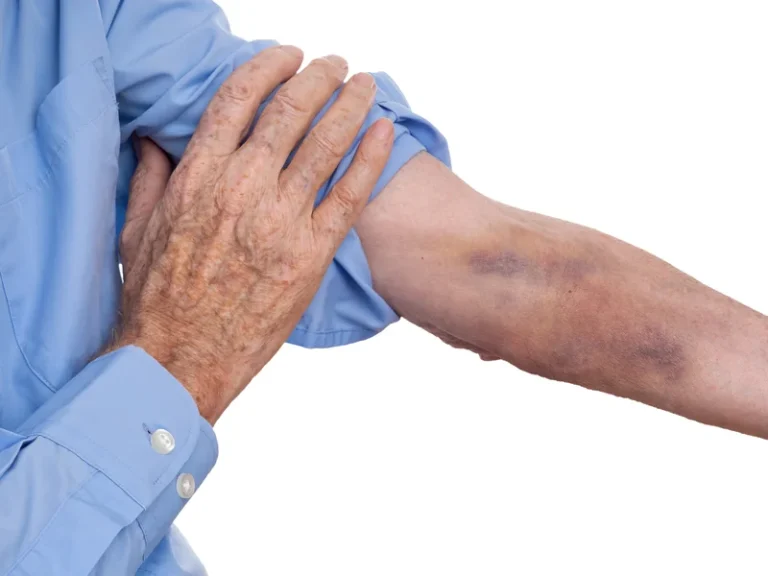
  • When you first get a bruise, the newly trapped blood makes it look pink or red.
  • According to the National Library of Medicine, a bruise is a mark under the skin, usually painful and swollen, that occurs because of blood trapped beneath the skin’s surface.
  • Finally, a person with an alcohol use disorder will likely give up other activities, because their focus is on drinking.
  • If you’re concerned that your medications are contributing to bruising, it’s a good idea to speak with your doctor.
  • While some people may have just a drink or two on special occasions, people with an alcohol use disorder may lose control of their drinking, and consume ten or more drinks, for example.

Get a Professional Caretaker

While some people may have just a drink or two on special occasions, people with an alcohol use disorder may lose control of their drinking, and consume ten or more drinks, for example. They may have such a high tolerance that they do not show any overt signs of intoxication, despite drinking large amounts. Alcoholic jaundice is usually found in the progressive, final stages of liver disease. Hence, seeking professional medical advice is crucial if you notice such symptoms.

Drinking Alcohol Lupus

“As a result of the manifestation of EDS,  individuals that suffer from this genetic disorder are more prone to easy bruising due to their delicate skin tissue and connective tissue disorder.” Among the more serious causes of bruising is leukemia—a cancer of the blood cells. Typically, platelets help your body minimize bleeding, but you’ll be more susceptible to bruising if your platelet count is low due to leukemia.

Signs Your Body Is Telling You You’re Drinking Too Much

  • Call your doctor if your symptoms don’t start to get better in a few days or if you have any symptoms of an infection, such as a high fever.
  • Especially if you have been drinking heavily for many years, coping with alcohol use disorder is not easy.
  • Alcohol impairs your cerebellum, the part of your brain that’s responsible for coordinating your movements, Swartzwelder says.
  • Easy bruising may also run in families, so individuals whose relatives bruise easily may notice that they do too.
  • It’s rare to have extremely low levels of vitamin C, but when you do, your blood vessels may be weaker.

However, eligibility may depend on being abstinent from alcohol for a specific length of time. The prognosis for liver failure is poor and requires immediate treatment, often in the intensive care unit. Do not take oral bruising from drinking supplements for bruising without talking with a healthcare professional first. Some home remedies may help to reduce their appearance and help them heal faster, such as ice, arnica, aloe vera, and pineapple juice.

bruising from drinking

Withdrawal Symptoms

Loss of appetite and weight loss

  • But some drugs used to treat pain, like aspirin or ibuprofen, can actually increase the tendency to bruise, López explains.
  • Bruises may be a sign of a serious problem, but in most cases, they’re harmless.
  • Four days later, according to her report, she submitted the clothing she wore that night to police in the Gold Coast District investigation branch, in Australia.

Risk factors

bruising from drinking

nose bleed after alcohol

Alcoholism Life Expectancy How Long Do Alcoholics Live?

average lifespan of an alcoholic

High levels of consumption can exacerbate health conditions and lead to a decrease in life expectancy. The Centers for Disease Control and Prevention (CDC) highlights the numerous ways in which excessive alcohol use can detrimentally affect overall health and well-being. Furthermore, the body’s ability to metabolize alcohol varies based on individual factors, which means that the effects can be unpredictable and potentially severe. Whether you are struggling with addiction, mental health or both, our expert team is here to guide you every step of the way.

What is the most common cause of death for alcoholics?

By integrating such data, the calculators aim to provide users with an individualized estimate of how their drinking habits could potentially shorten their lifespan. Research published in PMC suggests that while modest drinking may be protective against certain diseases, such as cardiovascular diseases, it generally worsens health conditions. This is particularly true for individuals with chronic diseases such as diabetes, where alcohol can interfere with glucose management, or with respiratory system diseases, where alcohol may impair lung function. Understanding these genetic factors is essential for developing personalized approaches to the prevention and treatment of alcohol-related health issues. It also underscores the importance of considering an marijuana addiction individual’s unique genetic makeup when assessing their risk for developing AUD and related health conditions that can influence life expectancy.

Empowering Student Opioid Addiction Rehab

Prompt intervention, along with appropriate treatment options and support systems, can significantly improve the overall well-being and potentially mitigate the long-term physical effects of alcoholism. When it comes to alcoholism, understanding the average lifespan of individuals affected by this disease is a complex matter. Alcoholism can have a profound impact on both physical and https://ecosoberhouse.com/ mental health, leading to various complications that can significantly shorten a person’s life expectancy.

Specific Health Risks for Alcoholics

  • According to the National Institute of Alcohol Abuse and Alcoholism, alcoholics have a life expectancy of 60 years, which is 12 years shorter than that of non-alcoholics 1.
  • For those with neurological conditions, alcohol can lead to further cognitive decline and complications.
  • The feeling of powerlessness is stifling as you watch someone you care about slowly deteriorate physically and mentally while they may even continue to refuse to admit their drinking is problematic.
  • This suggests that middle-aged individuals with AUD face a particularly high risk.
  • In order to understand the implications of alcohol use disorder on life expectancy, it is necessary to evaluate the mortality rates and causes of death among people with this condition.
  • Medical factors, such as the development of alcohol-related health conditions, significantly contribute to the reduced life expectancy observed in individuals with alcoholism.

It is evident from these figures that alcohol use disorder significantly impacts mortality rates and causes of death, therefore answering the question of ‘how long do alcoholics live? Having supportive relationships can significantly impact an alcoholic’s life expectancy. Caregiving for an ill or dependent family member, grandparenting, and parenting an adult child have been shown to motivate individuals to sustain abstinence and reduce drinking 9. These relationships can reinforce abstinence, contribute to alcohol cessation, and provide the necessary emotional support throughout the recovery journey.

average lifespan of an alcoholic

The FHE Health team is committed to providing accurate information that adheres to the highest standards of writing. If one of our articles is marked with a ‘reviewed for accuracy and expertise’ badge, it indicates that one or more members of our team of doctors and clinicians have reviewed the article further to ensure accuracy. This is part of our ongoing commitment to ensure FHE Health is trusted as a leader in mental health and addiction care. Pregnant women and nursing mothers should not drink at all because the alcohol content can pass onto the child and cause dependency and/or defects. Treatment often involves a combination of therapy, support groups, and medication to manage withdrawal symptoms.

Factors That Influence Life Expectancy in Alcoholics

Yes, stopping alcohol use can lead to significant health improvements, such as liver repair, reduced cancer risk, better heart health, and improved mental well-being. At Greater Boston Addiction Centers, we’re here to guide you through every step of the recovery journey. With compassionate care and evidence-based treatments, we empower our clients to overcome alcohol addiction and build a healthier future. Starting the journey to recovery may feel overwhelming, but with the right support and approach, it is entirely possible to overcome alcohol addiction and improve both longevity and quality of life. Understanding the potential risks and consequences of alcoholism can serve as a motivation for individuals to seek treatment and make positive changes in their lives. Alcoholism is a complex disorder that encompasses both physical and psychological dependence on alcohol.

average lifespan of an alcoholic

average lifespan of an alcoholic

Even a simple slip-and-fall incidents may have deadly results for someone who is under the influence of alcohol. Despite the proven benefits of substance use disorder treatment, a large proportion of individuals suffering from alcoholism do not receive the help they need. The NCBI Bookshelf reports that only about 2.2 million people with a substance use disorder, or about 1 in 10 affected individuals, received any type of treatment in the year before the survey was administered.

Factors Affecting Life Expectancy

average lifespan of an alcoholic

Alcohol addiction is a severe disease that can significantly impact a person’s health. The average life span of an alcoholic goes down with each drink, increasing the risk for heart and liver problems, cancer and suicide. If you or a loved one is struggling with alcohol addiction, why do some alcoholics live long Diamond House Detox can help. These studies underscore the detrimental impact of chronic alcohol abuse on overall health and mortality outcomes, highlighting the importance of early intervention and treatment for individuals struggling with alcoholism. Alcoholism is a complex disorder with psychological, social, and biological components. Factors such as genetic predisposition, environmental influences, and mental health conditions can contribute to the development of alcohol use disorder.

MHSA Programs

Review Harbor House

With the help of a wide network of external service providers, each of their programs creates lasting, individualized pathways to recovery. Starting out in 1977 as an alcohol detox and rehab center, MHSA has since grown and taken on a much more holistic approach to curbing substance misuse. Its programs are designed not only to help individuals recover and stay clean, but also to help set them up for success on their own terms. Our helpline is offered at no cost to you and with no obligation to enter into treatment. In some cases, we charge our verified partner a modest cost per call, which helps us cover the costs of building and maintaining our directory. We do not receive any commission or fee that is dependent upon which treatment provider a visitor ultimately selects.

Hour Clinical Care

  1. More than half a million Massachusetts residents abuse alcohol while more than 1.5 million use illegal drugs each year.
  2. Some examples of this are time management, social skills, nutrition, hygiene, stress management and taking care of yourself.
  3. Genetic factors may be at play when it comes to drug and alcohol addiction, as well as mental health issues.
  4. They give evidence-based clinical support to people attending their transitional programs, but they generally do not offer treatment on an outpatient basis.
  5. Boston, a historic coastal city, offers a vibrant arts and culture scene with world-class museums, parks, and restaurants.
  6. Some rehab centers specialize in short-term residential treatment (a few days to a week or two), while others solely provide treatment on a long-term basis (several weeks to months).

There are some Review Review Harbor House specific rules and regulations residents must follow, like attending mandatory meetings, and household chore-type activities. Inpatient rehabilitation aims to treat severe addictions and co-occurring disorders. Depending on individual requirements, the duration of the stay at MHSA – Review Harbor House ranges from four weeks to six months. Massachusetts inpatient recovery guarantees that the patient resides in an environment free of drugs.

It is followed by focusing on the recovery process and making amends for hurting others. The program provides the benefit of cognitive restructuring, which refers to the process of change in the negative thoughts that leads to long-term benefits. This center offers a variety of custom treatment tailored to individual recovery.

Review Harbor House

Boston, Massachusetts Addiction and Treatment

MHSA – Review Harbor House, located in South Boston, MA, is a substance abuse treatment facility that serves 28 adult men for up to six months. The focus is on achieving and maintaining sobriety through individualized clinical support, employment assistance, and community reintegration. MHSA primarily offers long-term residential rehab, short-term intensive residential rehab, counseling, and transitional housing.

Private insurance

It can be administered as a mono-therapy as well as a part of combination therapy. The Substance Abuse and Mental Health Services Administration (SAMHSA) is a branch of the U.S. Established in 1992 by congress, SAMHSA’s mission is to reduce the impact of substance abuse and mental illness on American’s communities. Couples therapy in Massachusetts is a short term therapy designed to equip you both with the skills you need to address conflicts and challenges in your relationship. Our representatives work for a treatment center and will discuss whether their facility may be an option for you.

Dialectical Behavior Therapy (DBT) helps those who attend MHSA – Review Harbor House understand how their feelings, beliefs, and thoughts affect their behaviors. DBT is particularly useful for people with self-harming behaviors, as well as those with substance abuse disorders. DBT teaches people how to tolerate distress, regulate their emotions, and how to become mindful. There are a number of different group therapy modalities, including support groups, experiential therapy, psycho-education, and more. Group therapy involves treatment as well as processing interaction between group members. For those seeking addiction treatment for themselves or a loved one, our calls are confidential and are available for 24/7 help.

Upon the successful completion of the program, patients transition into stable, sober living environments where they can continue to thrive as productive members in our communities. Brookford House is located in Dorchester and provides a safe supportive recovery environment for parents in early recovery who also need help to secure permanent affordable housing. This brings together all the expertise and services MHSA offers in both our recovery and shelter programs. Serving up to 18 families in two co-located buildings creates a strong supportive recovery environment for parents while keeping families together.

Stages of alcohol misuse: What are they and when is it an issue?

Copyright © 2024, AddictionHelp.com The information provided by AddictionHelp.com is not a substitute for professional medical advice. View our editorial content guidelines to learn how we create helpful content with integrity and compassion. Finally, support groups, such as AA, can support the individual and give them a sense of accountability. According to the 2022 National Survey on Drug Use and Health, 13.1 million people received substance use treatment in 2022. Talk to your doctor if you think you might have a drinking problem. American Addiction Centers (AAC) is committed to delivering original, truthful, accurate, unbiased, and medically current information.

  • Unfortunately, for some people, even moderate drinking is not safe.
  • In the beginning, alcohol made you feel happier and more sociable.
  • As the disease becomes more severe, blackouts and loss of control can happen.
  • Alcoholism is a term used to describe moderate to severe alcohol use disorder (AUD).
  • Today, instead of people being alcoholics, professionals refer to them as people with AUD.

Cited by other articles

An individual’s dependence on alcohol may also become more apparent to those around them. They define binge drinking, the most common form of excessive drinking, as 5 or more drinks in a single occasion for males and 4 or more drinks in a single occasion for females. No matter what stage of addiction you or a loved one may be in, addiction treatment is available to help you overcome alcoholism.

5 stages of alcoholism

Who’s at Risk for Alcoholism?

It might appear harmless at first, but it’s at this stage where the foundation of an unhealthy relationship https://lux-standart.ru/articles/proizvoditeli-oboev-iz-italii-obshhie.php with alcohol might start. Drinking can sometimes become a way for people to relieve stress or escape challenges, which can soon turn into a problematic pattern. Many people with alcohol use disorder hesitate to get treatment because they don’t recognize that they have a problem. An intervention from loved ones can help some people recognize and accept that they need professional help. If you’re concerned about someone who drinks too much, ask a professional experienced in alcohol treatment for advice on how to approach that person.

5 stages of alcoholism

Was this article helpful?

Alcohol withdrawal syndrome can produce life-threatening symptoms, but safe, medical detox can be done in a treatment facility. Professional, evidence-based treatments for alcohol use disorder are available https://mp3journey.ru/slushat-klip-tell-me/ — you just have to ask for help. The beginning of alcohol misuse could start with occasional excessive drinking, but even these episodes can cause brain changes. Chronic alcohol use can compromise brain function, making it difficult for a person to control their misuse and leading to chronic misuse. Experiencing two or more of these symptoms could mean that you have an alcohol use disorder, but only a professional can give a diagnosis. Whether you may have early alcohol misuse, problematic alcohol use, or a severe alcohol use disorder, evidence-based therapies are available and can be prescribed through addiction specialists.

You might experience occasional memory blackouts as a result of your drinking, and you might find yourself drinking on your own or in secret. Over time, you might rely on alcohol more and more in order to navigate the complexities of your daily life, signalling that you’ve developed a dependency on alcohol. In this initial phase, people might engage in social or binge drinking.

  • From there, you will work on maintenance (learning to live sober) and, finally, transcendence or full recovery.
  • But esophageal varices are prone to rupture, and when they do, the alcoholic can bleed to death.
  • The mental challenge of this stage is not to let anything make you feel defeated.
  • While in this phase, an individual may still be able to function at work and home, but friends or family may begin to notice changes in their behavior.

You may become more depressed, more anxious, or start losing sleep. You may start to feel sick from heavy drinking, but enjoy its effects too much to care. Many drinkers at this stage are more likely to drink and drive or experience legal troubles as a result of their drinking.

5 stages of alcoholism

It is estimated thatalcohol is used by more than one in ten individuals as a hypnotic agent to self-medicatesleep problems (Arnedt, 2007). If you feel that you sometimes drink too much alcohol, or your drinking is causing problems, or if your family is concerned about your drinking, talk with your health https://survinat.ru/wild-survive/3-food-water/ care provider. Other ways to get help include talking with a mental health professional or seeking help from a support group such as Alcoholics Anonymous or a similar type of self-help group. Just like with all other major disorders, there are stages of alcoholism that progress over time.