

The desire to remove the negative feelings accompanying withdrawal primes the individual to further intoxication/binge via negative reinforcement. A vicious cycle ensues; taking the substance to lessen withdrawal will lead to worse withdrawal symptoms in the next period of abstinence. The mesolimbic pathway involves cross-talk between the ventromedial striatum and the nucleus accumbens (NAcc). The mesolimibc pathway is responsible for the binge stage’s reward and positive reinforcement via the direct release of dopamine and opioid peptides. A result of increased substance use to avoid withdrawal symptoms is a shift from impulsive to compulsive behavior. Compulsive behavior marks the loss of executive control over substance use and is a hallmark of addiction.
The Addiction Cycle: What Are The Stages of Addiction?
- As if that wasn’t complicated enough, there is even more variation in who is vulnerable to addiction and why.
- Gender, ethnicity, and mental disorders may also influence the risk for drug addiction.
- This is called withdrawal, which often leads the person to use the substance again to relieve the withdrawal symptoms.
- The reinforcing impact of substances diminishes with repeated use over time; this is the phenomenon of tolerance.[10] Tolerance typically results in increased or more frequent substance use in chase of the original effect.
- Specifically, prefrontal regions involved in executive functions and their connections to other brain regions are not fully developed in adolescents, which may make it harder for them to regulate the motivation to drink.
- It is the result of drug abuse and one of the symptoms of full-blown addiction.
From here, they may move forward to the next phase—the preparation stage—or they may move back to the precontemplation stage. The first recovery step is recognising the addiction and its impact on one’s life. That moment of self-insight and self-awareness seems to be necessary for the person to seek help.
What Are the Physiological Effects That Addiction Causes?

While these substances are very different from each other, they all strongly activate the reward center of your brain and produce feelings of pleasure. Use of these substances can lead to substance use disorders (SUDs) — but not always. Understanding the stages of cycle of addiction relapse—emotional, mental, and physical—and intervening early in the process enhances the chances of successful recovery. Cognitive-behavioral therapy (CBT) is highlighted as an effective tool for modifying negative thought patterns that may lead to substance use.
Other Treatment Options for Addiction
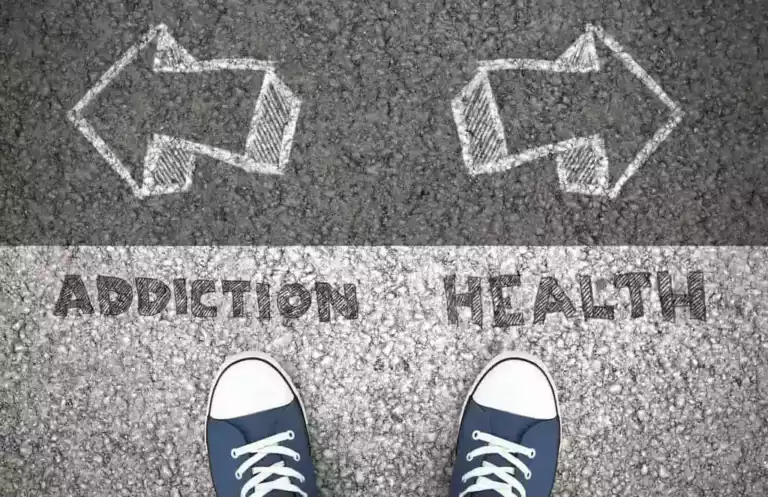
With repeated heavy drinking, however, tolerance develops and the ability of alcohol to produce pleasure and relieve discomfort decreases. The positively reinforcing effects of substances tend to diminish with repeated use. This is called tolerance and may lead to use of the substance in greater amounts and/or more frequently in an attempt to experience the initial level of reinforcement. Eventually, in the absence of the substance, a person may experience negative emotions such as stress, anxiety, or depression, or feel physically ill.
“Very Demure, Very Mindful” TikTok Trend Could Be Your Key to Better Sleep

Regardless of which one might influence the development of the other, mental and substance use disorders have overlapping symptoms, making diagnosis and treatment planning particularly difficult. For example, people who use methamphetamine for a long time may experience paranoia, hallucinations, and delusions that may be mistaken for symptoms of schizophrenia. And, the psychological symptoms that accompany withdrawal, such as depression https://ecosoberhouse.com/ and anxiety, may be mistaken as simply part of withdrawal instead of an underlying mood disorder that requires independent treatment in its own right. Given the prevalence of co-occurring substance use and mental disorders, it is critical to continue to advance research on the genetic, neurobiological, and environmental factors that contribute to co-occurring disorders and to develop interventions to prevent and treat them.
Stage 6: Relapse
- At this point, the person may also start to develop a tolerance, where they need more of the substance to feel the same effects.
- The addiction cycle is often described as a three-stage process, each stage feeding into the next, creating a self-perpetuating loop that can feel impossible to escape.
- Understanding drug and alcohol experimentation motivations is crucial for addressing the root causes of drug use and effectively supporting individuals at risk of developing substance abuse disorders.
- Any addiction develops as a result of a complex interaction of genetic, psychological, social, and environmental factors.
- The first recovery step is recognising the addiction and its impact on one’s life.
Additionally, determining how neurobiological factors contribute to differences in substance misuse and addiction between women and men and among racial and ethnic groups is critical. After the onset of dependence, where higher doses of a substance are required to achieve the same effects, individuals often enter the stage of full-blown addiction. Addiction is characterized by compulsive drug seeking and use, despite the harmful consequences and potential risks to physical and mental health.

However, people often use these substances in combination.41 Additional research is needed to understand how using more than one substance affects the brain and the development and progression of addiction, as well as how use of one substance affects the use of others. The neurotransmitters serotonin and dopamine send messages to the brain and the rest of the body. The altered brain chemistry essentially requires constant, repetitive exposure to the substance or action to function psychologically and physiologically. This chemical dependence leads to tolerance and withdrawal symptoms, two of the hallmarks of substance abuse addiction that most often require a professionally monitored alcohol and drug detox. The preoccupation/anticipation stage has long been hypothesised to be a key element of relapse in humans, and defines addiction as a chronic relapsing disorder. Drugs of abuse have a profound effect on the response to previously neutral stimuli to which the drugs become paired.

Each case will differ, making personalized approaches to recovery and relapse prevention crucial. The difference between a slip-up and a full-blown relapse is that with a slip-up, the individual has not yet developed a tolerance or physical dependence to the drug and can quickly take active steps to discontinue drug use. Slip-ups are usually brief and have limited consequences, making it easier to retrace your steps. These signs may not be present in everyone who’s beginning to relapse, but they are familiar cues to look out for. It is essential to be self-aware and vigilant while recovering from active drug addiction.